News - 12/12/2025
Immuno-Oncology 2026: Advancing Beyond the Standard of Care
How the Hallwang Clinic Translates Scientific Potential into Personalised Treatment Realities.
Immuno-Oncology is the most dynamic engine of modern cancer medicine today. Few areas in oncology have seen such rapid and transformative progress as immuno-oncology. In just a few years, this field has ushered in paradigm-shifting advances — from mRNA-based vaccines and novel checkpoint inhibitors to complex cell-based therapies.
At the same time, a growing gap is becoming increasingly evident: while scientific development advances at an unprecedented pace, clinical guidelines and healthcare systems often take years to translate these breakthroughs into widespread clinical application.
The Hallwang Clinic positions itself precisely within this translational space — as a bridge between innovation and implementation. As a highly specialised hub, we bring the latest scientific insights responsibly and rapidly into real-world clinical use, crafting personalised immuno-oncology strategies tailored to the unique biology and needs of each patient.
At the heart of this approach lies a diagnostic and therapeutic philosophy that integrates cutting-edge clinical trial data (Phase I–III) into bespoke treatment plans — combining precision, adaptability, and scientific depth.
What follows is a detailed insight into the Hallwang Clinic’s immuno-oncology expertise — a profile that defines precision medicine not as a future vision, but as a lived reality.
1. Diagnostics: From Static Snapshots to Deep Phenotyping
Modern immunotherapy does not begin with the choice of a drug — it begins with a deep, multi-layered understanding of the tumour and its immune environment.
At the Hallwang Clinic, we employ advanced diagnostic technologies such as next-generation sequencing, spatial multi-omics, and single-cell immune profiling to move beyond surface-level findings. Instead of static “snapshot” reports, we generate spatially and functionally rich tumour maps:
- Which immune cells are infiltrating the tumour tissue?
- Where do resistance niches arise?
- Which mutations generate actionable neoantigens?
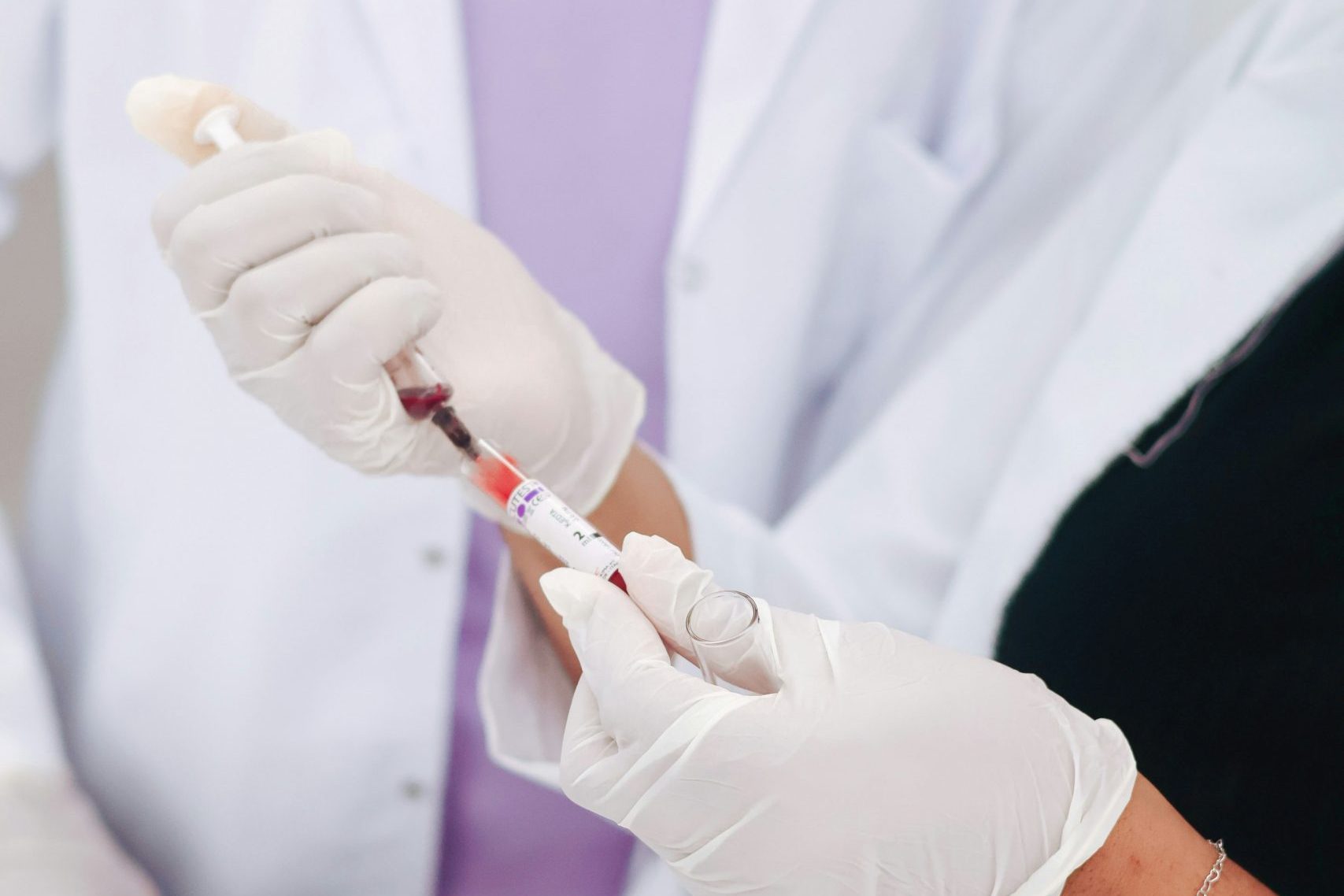
This tissue-based insight is complemented by liquid biopsy, including highly sensitive ctDNA monitoring. These blood-based analyses enable near real-time tracking of tumour dynamics — often detecting changes weeks before conventional imaging can confirm treatment response or progression.
As a result, therapeutic strategies can be adapted dynamically and data-driven — with precision, speed, and responsiveness to the evolving biology of each individual case.
2. Next-Generation Checkpoint Inhibition: Releasing the Brakes — and Redefining Control
PD-1, PD-L1, and CTLA-4 inhibitors have become standard therapies across many tumour types. However, not all patients respond, and resistance mechanisms often emerge, requiring a more nuanced and adaptive approach.
At the Hallwang Clinic, we go beyond classical checkpoint inhibition by incorporating next-generation targets such as LAG-3 and TIGIT — molecules whose therapeutic efficacy has been validated in recent Phase III studies. For so-called “cold” tumours, characterised by low immune activity, intratumoural strategies such as TLR and STING agonists are used to modulate the tumour microenvironment and render the cancer immunologically “visible.”
We also employ emerging bispecific antibodies that simultaneously engage multiple immune pathways. These advanced therapeutics mark a shift in immunotherapy: from merely “releasing the brakes” to actively reshaping the immune response in a highly selective, tumour-adapted manner.
3. Cellular Immunotherapy: Beyond CAR-T
Cellular immunotherapy is among the most powerful tools in contemporary oncology. While CAR-T cells have demonstrated remarkable efficacy in hematologic malignancies, their application in solid tumours remains biologically limited.
At the Hallwang Clinic, we expand the cellular immunotherapy landscape beyond conventional CAR-T approaches by integrating a broader range of adoptive cell therapies:
- TIL Therapy (Tumour-Infiltrating Lymphocytes): Particularly effective in melanoma and cervical cancer, this approach harnesses the patient’s own tumour-infiltrating immune cells. These cells are isolated, extensively expanded ex vivo, and reinfused to trigger a potent, tumour-specific immune response.
- TCR-T Cells: For tumours that express relevant antigens intracellularly rather than on the surface, TCR-based therapies enable precise targeting of these hidden tumour signatures — offering access where traditional approaches fall short.
Crucially, these powerful therapies require vigilant immunological monitoring. At the Hallwang Clinic, our board-certified oncology team implements structured safety protocols and experience-based monitoring strategies to manage potential immune-related effects such as cytokine release syndrome (CRS) and neurotoxicity — ensuring these next-generation therapies are delivered both safely and effectively.
4. Personalized mRNA Neoantigen Vaccines: Training the Immune System to Recognize the Unseen
Neoantigen-based vaccines represent one of the most refined and precise forms of immunotherapy. By performing in-depth tumour and exome sequencing, we identify mutations that are unique to the patient’s tumour tissue. These individualised mutations form the blueprint for personalised mRNA or peptide vaccines designed to train the immune system to recognise and attack the cancer’s distinct molecular fingerprint.
Clinical studies — particularly in melanoma and pancreatic cancer — have shown promising reductions in recurrence rates, especially when these vaccines are combined with checkpoint inhibitors. At the Hallwang Clinic, we offer these cutting-edge neoantigen vaccines in carefully selected cases where solid evidence supports their use and the patient’s tumour biology indicates a clear rationale for personalised immunisation.
5. Synergy Over Sequence: A Multimodal Therapeutic Philosophy
One of the defining features of the Hallwang Clinic’s therapeutic strategy is our commitment to synergy over sequence. Rather than applying treatments in rigid, standardised lines, we adopt a multimodal approach — strategically combining therapies that act through orthogonal mechanisms to maximise tumour control.
These may include:
- Immunomodulatory therapies
- Personalised vaccination strategies
- Cellular therapies
- Metabolic modulation and optimisation
- Locoregional treatments such as hyperthermia
- Oncolytic virus therapy
This integrated approach is grounded in the understanding that tumour resistance is more effectively countered through multiple simultaneous therapeutic pressure points than through stepwise, sequential protocols. It is not just about applying innovation — but applying it in intelligent, synergistic combinations tailored to each patient’s biological profile.
Conclusion: Where Evidence Meets Individuality
Immuno-oncology has achieved remarkable progress in a short period of time — but with this progress comes increasing complexity in therapeutic decision-making. The Hallwang Clinic stands among the internationally leading cancer centres capable of translating cutting-edge scientific insights into clinical reality at an early stage. Leveraging the flexibility provided by the German healthcare framework, we offer access to innovative therapies that are already well-supported in the scientific literature — long before they become widely available in conventional care settings.
What defines the Hallwang Clinic is not grand promises, but the consistent application of a clear principle: every treatment is grounded in current scientific evidence, and every therapeutic decision is individually tailored.
In this way, the Hallwang Clinic becomes more than a place of care — it is a hub where the future of immunotherapy is not merely envisioned, but responsibly realised. Personalised, evidence-driven, and in continuous dialogue with the forefront of international research.