News - 05/13/2026
Preserving Quality of Life During Advanced Cancer Treatment
A diagnosis of advanced cancer affects every aspect of life. In addition to complex medical decisions, many patients face fatigue, sleep disturbances, weight loss, physical weakness, and emotional stress. At the Hallwang Clinic, we therefore regard quality of life as a central component of modern cancer care.
Cancer medicine has evolved significantly in recent years. Many therapies today are more precise and individualized than conventional standard approaches alone — with the goal not only of treating the tumor, but also of supporting treatment tolerability and the overall well-being of each patient as effectively as possible.
Nevertheless, treatment in advanced-stage disease often remains physically and emotionally demanding. This makes a comprehensive treatment concept that considers the patient as a whole all the more important.
At the Hallwang Clinic, treatment decisions are guided not only by the tumor type, but also by the patient’s individual circumstances, physical condition, and personal treatment goals. Supportive therapies are integrated into the treatment strategy from the very beginning — not only once symptoms or side effects occur.
Recognizing Fatigue and Nutritional Deficiencies at an Early Stage
Fatigue is one of the most common challenges during cancer treatment. Many patients experience persistent exhaustion, difficulty concentrating, or a significant loss of energy. Through targeted laboratory diagnostics, potential deficiencies — such as low vitamin D levels, electrolyte imbalances, or signs of liver stress — can often be identified at an early stage.
Individually tailored infusion therapies, orthomolecular support, and mitochondrial treatment approaches may help support treatment tolerability and contribute to stabilizing overall well-being throughout therapy.
Nutrition as an Integral Part of Therapy
Nutrition plays an important role in maintaining quality of life during cancer treatment. Loss of appetite, altered taste perception, and unintended weight loss can significantly affect daily life and physical resilience.
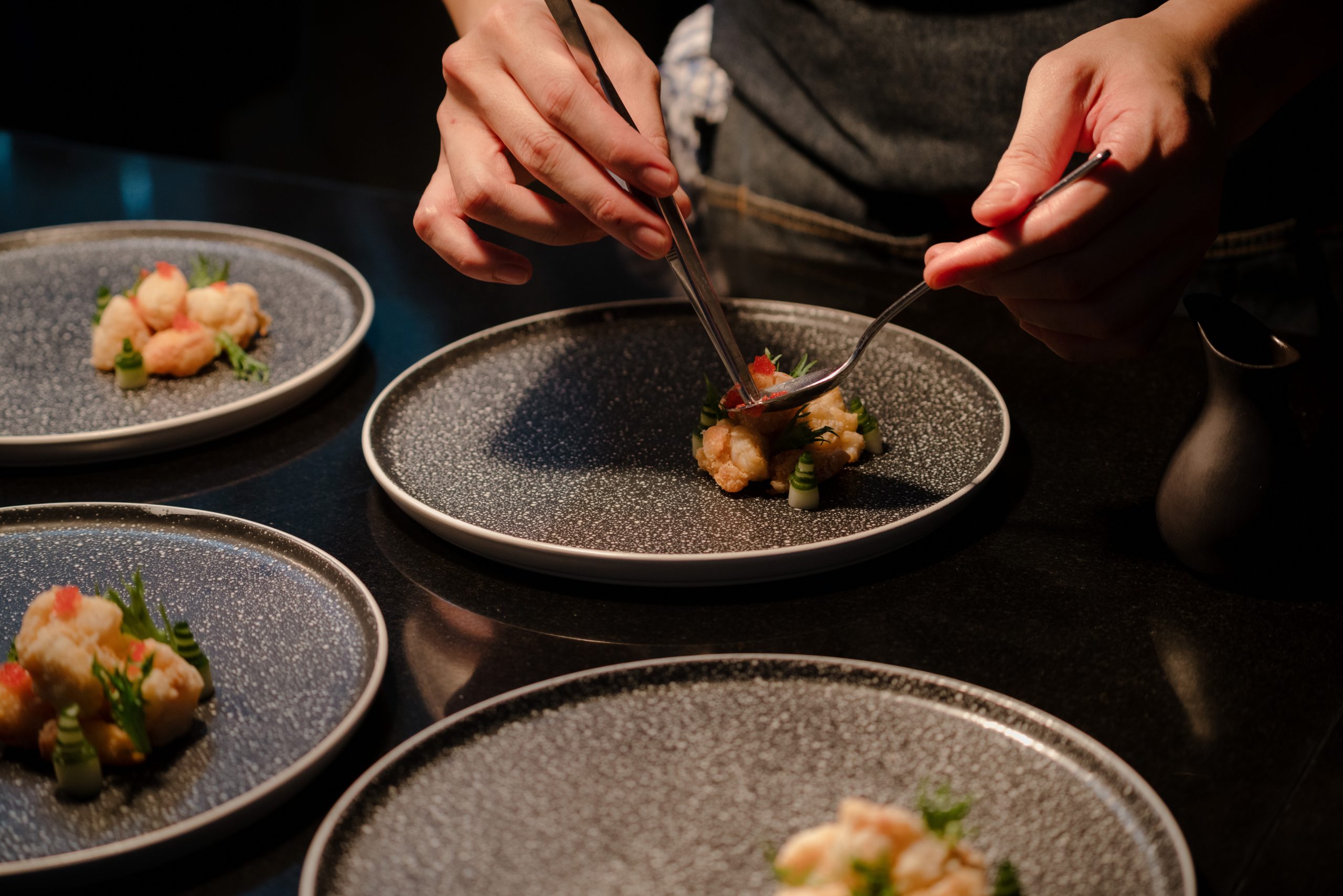
At the Hallwang Clinic, meals are individually adapted to each patient’s medical needs and personal preferences — with a focus on tolerability, nutritional support, and fresh, regionally sourced ingredients.
Therapeutic Environment and Emotional Well-Being
The emotional environment during treatment is equally important. A calm, discreet, and supportive atmosphere can help reduce stress and create a greater sense of stability throughout the treatment journey.
Located in Germany’s Black Forest region, the Hallwang Clinic was intentionally designed as a retreat away from the atmosphere of a traditional hospital setting. In addition to medical expertise, international patients particularly value the personalized care, cultural sensitivity, and complete confidentiality provided throughout their stay.
Physical Activity and Complementary Therapies
Physical activity and recovery are supported on an individualized basis throughout treatment. Physiotherapy, gentle movement programs, and walking opportunities in the natural surroundings of the clinic may help patients maintain mobility, physical function, and independence for as long as possible.
Depending on the individual clinical situation, complementary therapies such as hyperthermia, hyperbaric oxygen therapy, or ozone therapy may also be integrated into the overall treatment concept as supportive measures.
Support from Family Members
For many patients, quality of life also means not facing treatment alone. At the Hallwang Clinic, family members and loved ones are welcome to accompany patients throughout their stay.
Comfortable full-board accommodations located directly on the clinic grounds allow families to remain close, actively participate in the patient journey, and spend valuable time together during treatment.
Continuity Beyond Discharge
Patient care does not end upon discharge from the clinic. Regular follow-up consultations, medical check-ups, and ongoing accessibility of the medical team remain an integral part of the treatment concept — helping to support long-term therapeutic outcomes and allowing treatment strategies to be adapted flexibly to new developments when necessary.
Conclusion: Treating the Whole Person
Advanced cancer presents profound challenges that affect every aspect of life. At the same time, modern individualized oncology can help patients better manage treatment-related burdens, preserve independence and daily functioning for as long as possible, and create new perspectives in living with the disease.
The Hallwang Clinic combines advanced precision oncology with a holistic understanding of the individual — with the goal of supporting not only the treatment itself, but also the patient’s quality of life throughout every stage of care.
Our team would be pleased to arrange a non-binding initial consultation and answer any questions you may have about our diagnostic and treatment approaches.